

Ginger is widely known as a natural remedy with many health benefits. It’s commonly used to ease nausea, support digestion, and reduce inflammation. Because of these qualities, it has become a staple in both cooking and traditional medicine across many cultures.
However, ginger isn’t suitable for everyone. In certain situations, it may actually cause unwanted effects. If you have any of the conditions below, you should be cautious—or avoid ginger altogether.
1. Bleeding Disorders
Ginger has natural anticoagulant properties, meaning it can slow blood clotting. While this may help improve circulation, it can be risky for people with conditions like hemophilia.

Slower clotting increases the likelihood of prolonged bleeding, even from minor injuries. For those with bleeding disorders, even small amounts of ginger may worsen symptoms.
It’s important to speak with a doctor before including ginger in your routine.
2. Use of Blood-Thinning Medications
If you take medications such as aspirin, warfarin, or other ant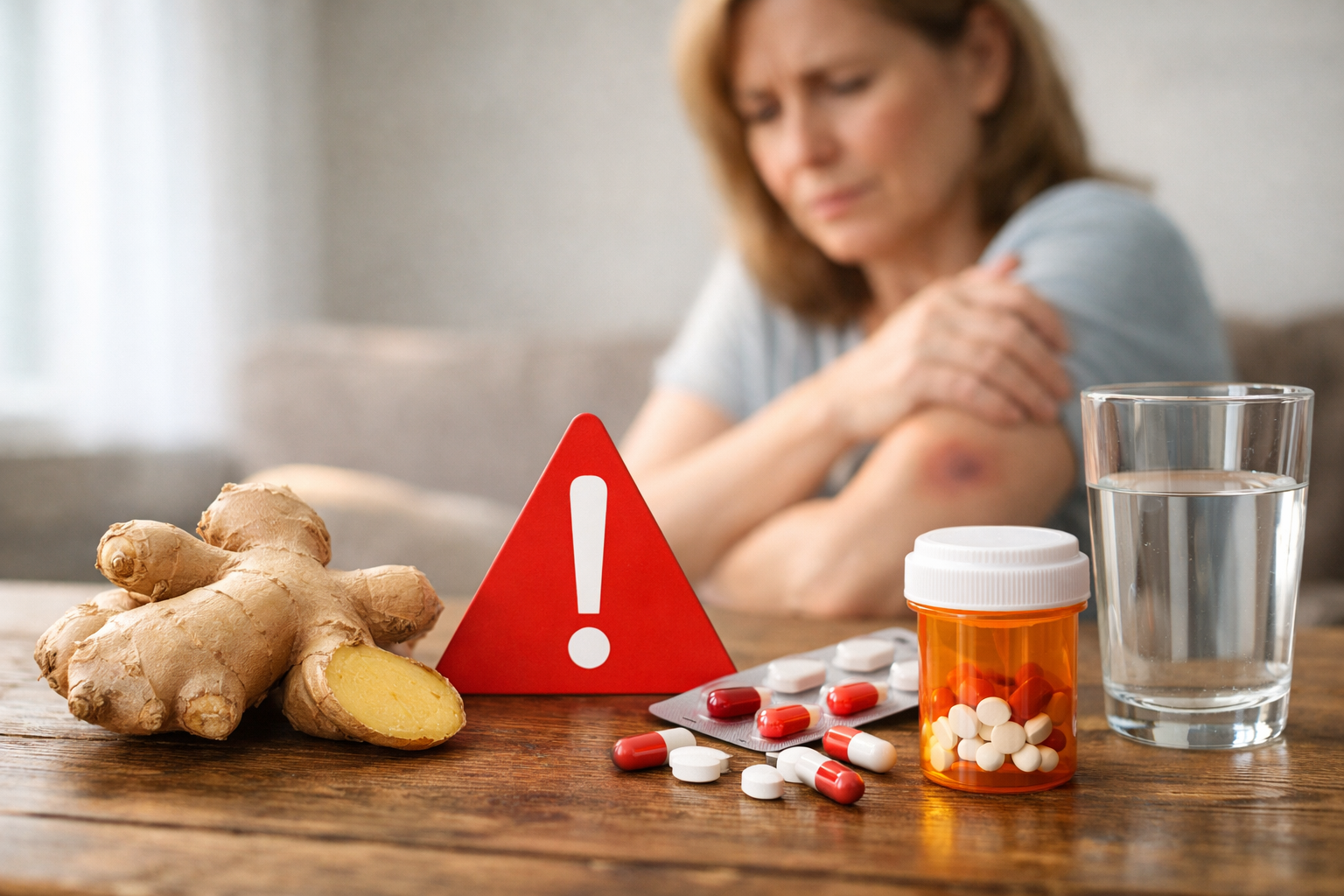 icoagulants, ginger may intensify their effects.
Combining ginger with these drugs can raise the risk of internal bleeding or easy bruising. This applies not only to fresh ginger but also to teas and supplements that contain it.
Always consult a healthcare provider before mixing ginger with any medication that affects blood clotting.
3. Low Blood Pressure
Ginger can help lower blood pressure by relaxing blood vessels and promoting better circulation. While this is beneficial for people with high blood pressure, it may be problematic for those with hypotension.
In such cases, consuming ginger may lead to symptoms like dizziness, lightheadedness, or even fainting.
 If your blood pressure tends to run low, limiting ginger intake is a safer choice.
4. Gallstones or Gallbladder Issues
Ginger stimulates bile production, which aids digestion. However, this effect can be problematic for individuals with gallstones.

Increased bile flow may cause stones to shift, potentially leading to severe pain, blocked bile ducts, or digestive discomfort.
Anyone with a history of gallbladder issues should seek medical advice before consuming ginger regularly.
5. Pregnancy (Certain Situations)
Ginger is often used in small amounts to help relieve nausea during early pregnancy. In moderation, it is generally considered safe.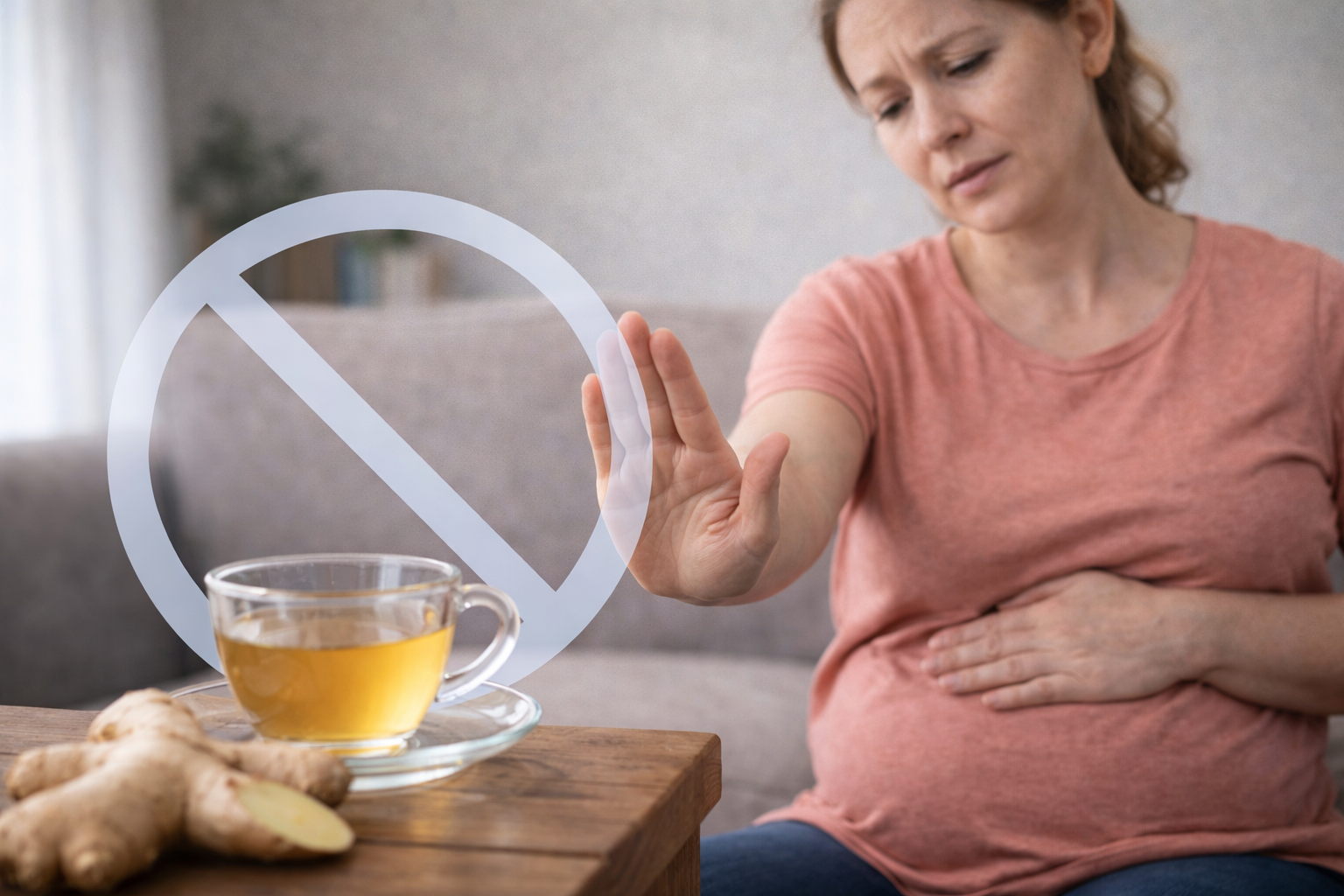
However, consuming large amounts or concentrated forms of ginger may not be advisable. Some studies suggest that high doses could increase bleeding risk or stimulate the uterus.
Pregnant women should avoid excessive intake and consult a doctor before using ginger supplements.
6. Uncontrolled Diabetes
Ginger may help lower blood sugar levels, which can be beneficial in many cases. But for individuals with unstable or poorly controlled diabetes, this effect can be risky.
When combined with diabetes medications, ginger may lower blood sugar too much, leading to hypoglycemia. Symptoms can include weakness, sweating, and confusion.
If you have diabetes, monitor your blood sugar carefully when consuming ginger.
7. Before Surgery
Due to its blood-thinning properties, ginger should be avoided prior to surgery.
Most healthcare professionals recommend stopping ginger intake at least one to two weeks before any procedure. Continuing to consume it could increase the risk of excessive bleeding during or after surgery.
Final Note
Ginger is a powerful natural ingredient with many health benefits, but it isn’t ideal for everyone. Its effects can vary depending on your health condition and any medications you may be taking.
If you have concerns—especially related to blood clotting, blood pressure, gallbladder health, or blood sugar—it’s best to consult a healthcare professional before adding ginger to your diet regularly.