

Guava leaf tea, made from the leaves of the tropical guava plant (Psidium guajava), has long been used in traditional medicine across Asia and Latin America. In recent years, modern research has started to examine its real health effects. While some claims are supported by science, others remain uncertain. So what do doctors and studies actually reveal?
Let’s break down the evidence-based benefits—and the potential risks—of guava leaf tea.
1. It May Help Regulate Blood Sugar Levels
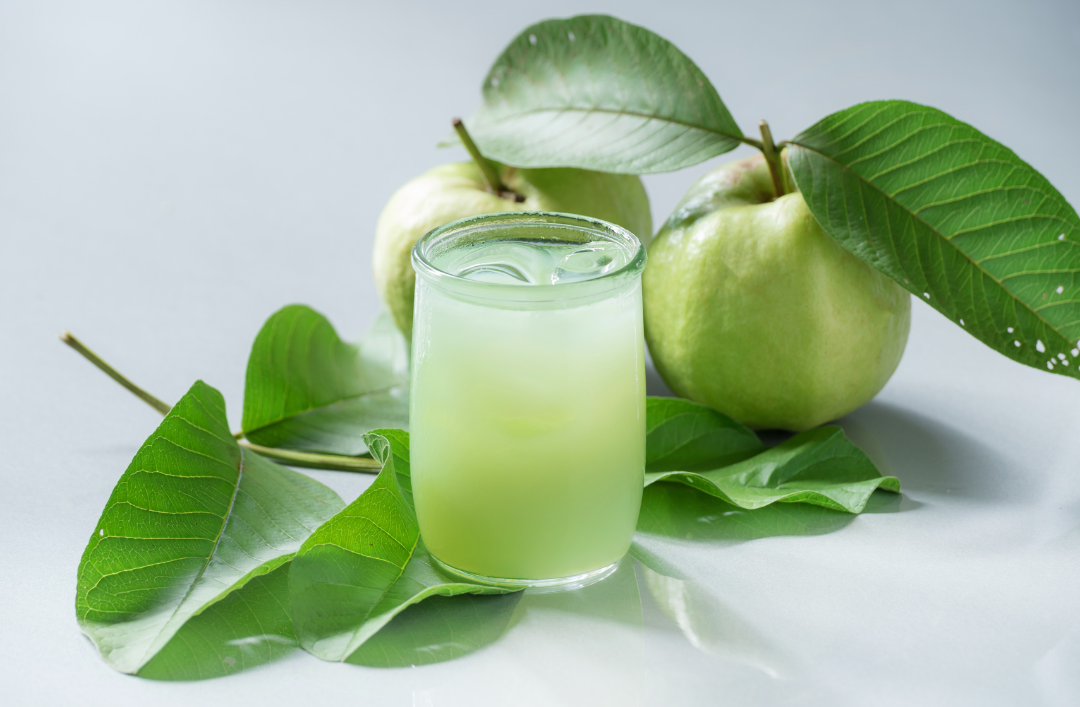
One of the most widely studied effects of guava leaf tea is its ability to support blood sugar control.
Clinical research suggests that drinking guava leaf tea regularly may reduce post-meal blood sugar spikes and improve insulin sensitivity. This effect is believed to come from compounds in the leaves that slow down carbohydrate absorption in the digestive system.
Doctors often highlight this as a promising complementary approach for people with pre-diabetes or type 2 diabetes. Some studies even found improvements in long-term markers like HbA1c and cholesterol levels after consistent use.
However, experts emphasize that guava leaf tea should not replace prescribed medications.
2. It Supports Digestive Health

Guava leaf tea has traditionally been used to treat digestive issues such as diarrhea, stomach pain, and indigestion.
Modern research confirms that guava leaves contain antimicrobial compounds that may help fight harmful bacteria in the gut. Additionally, studies suggest it can reduce the severity and duration of diarrhea in certain cases.
Because of this, doctors sometimes recommend it as a mild, natural remedy for occasional digestive discomfort.
3. It Contains Powerful Antioxidants
Guava leaves are rich in bioactive compounds such as flavonoids, phenolic acids, and vitamin C. These substances act as antioxidants, helping to protect the body from oxidative stress and inflammation.
This antioxidant activity is linked to several potential benefits, including:
- Reduced risk of chronic diseases
- Improved immune function
- Support for heart health
Some laboratory studies even suggest that guava leaf extracts may inhibit the growth of certain cancer cells, although more human research is needed.
4. It May Improve Heart Health
Doctors are increasingly interested in guava leaf tea’s potential cardiovascular benefits.
Research indicates that it may help lower LDL (“bad”) cholesterol, total cholesterol, and triglycerides. At the same time, its antioxidant properties may protect blood vessels from damage caused by free radicals.
These combined effects could contribute to a reduced risk of heart disease over time.
5. It May Relieve Menstrual Pain
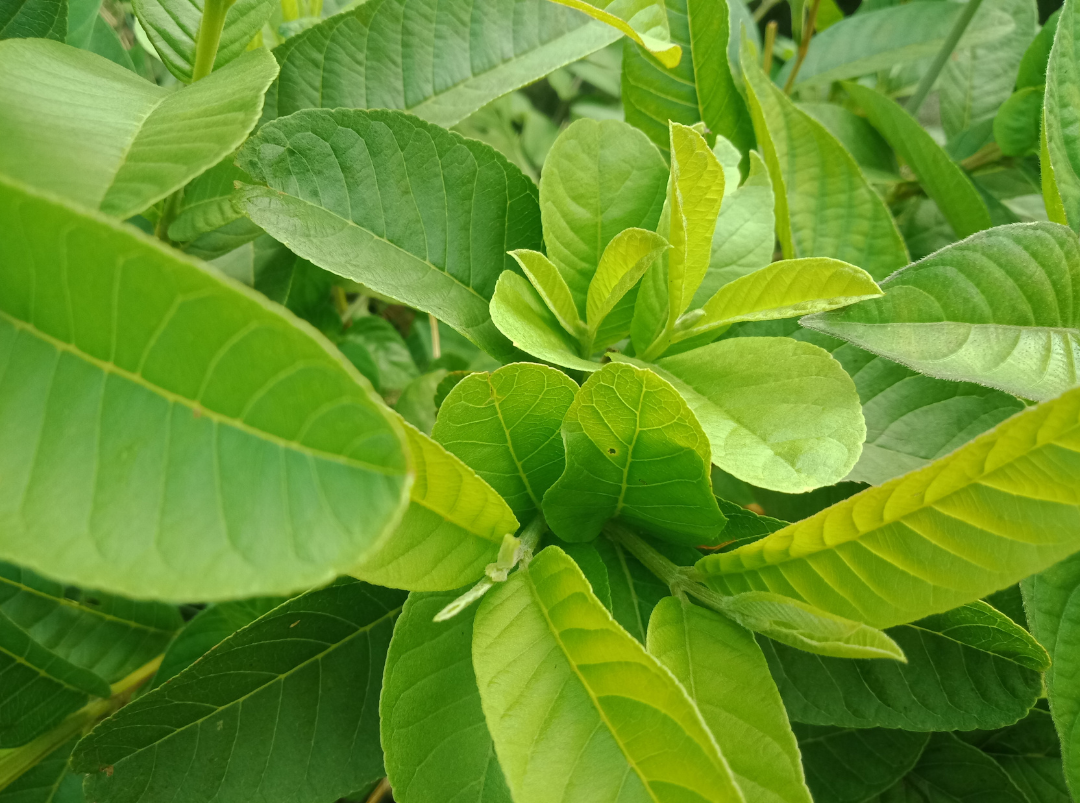
Some studies have shown that guava leaf extract can help reduce menstrual cramps (dysmenorrhea).
In one study, women who consumed guava leaf extract experienced less pain compared to those taking standard pain relievers.
This suggests guava leaf tea may act as a natural anti-inflammatory and muscle relaxant, offering relief without medication for some individuals.
6. It Has Antibacterial and Immune-Boosting Properties
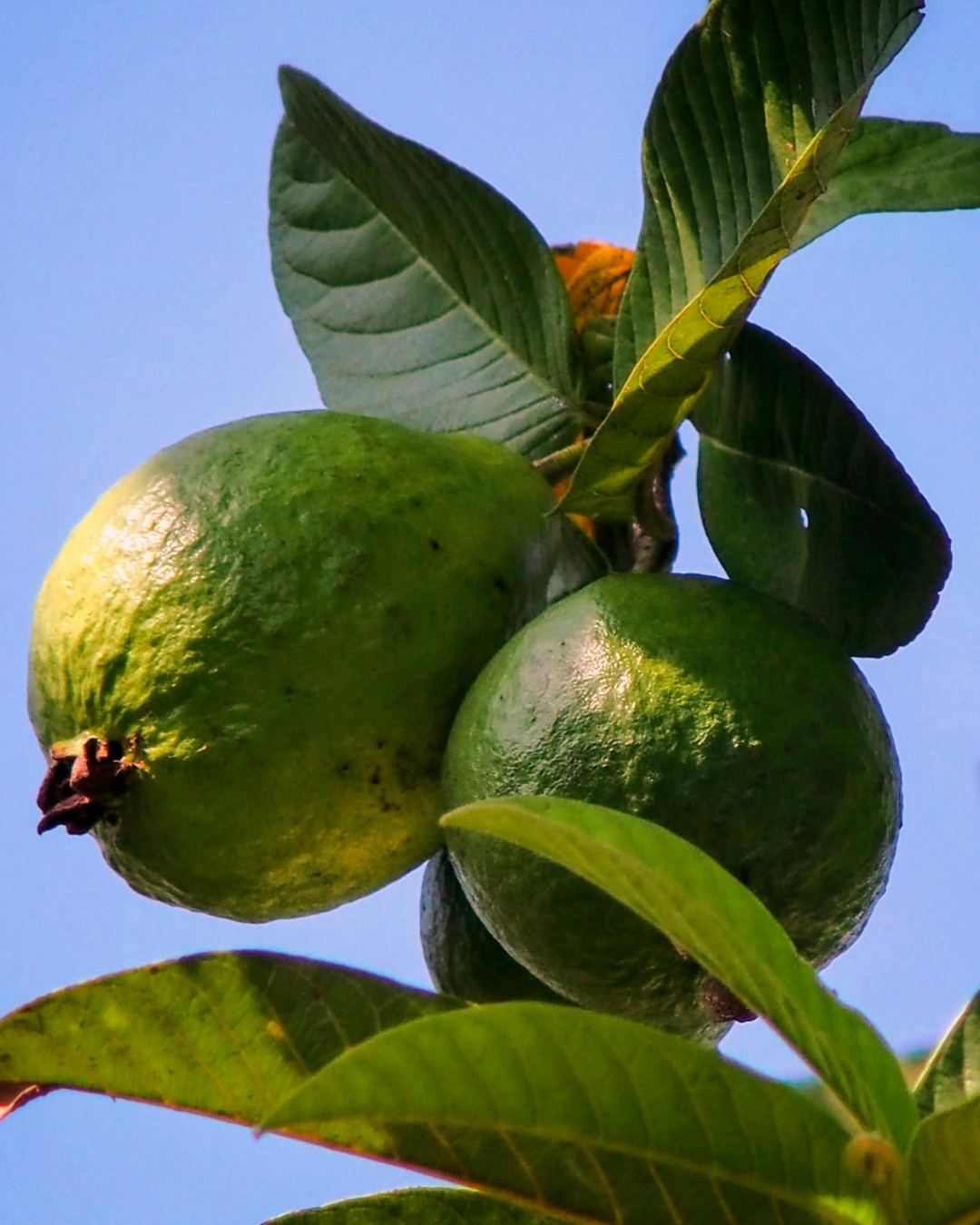
Guava leaves have demonstrated antibacterial effects against certain pathogens, including antibiotic-resistant bacteria.
This explains why guava leaf tea is often used traditionally to:
- Support immune health
- Soothe sore throats and coughs
- Aid recovery from mild infections
These benefits are linked to its high content of vitamin C and other immune-supporting nutrients.
7. But Doctors Warn: Evidence Is Still Limited
Despite these promising findings, medical experts caution that high-quality human studies are still limited.
According to health sources, there is not enough strong scientific evidence to confirm many traditional uses of guava leaves.
That means while guava leaf tea may offer benefits, it should be viewed as a supportive wellness drink—not a cure.
8. Possible Side Effects and Who Should Avoid It
Guava leaf tea is generally considered safe when consumed in moderate amounts. Some clinical trials even report no significant side effects when used regularly.
However, doctors highlight a few important precautions:
⚠️ Potential risks:
- Low blood sugar (hypoglycemia): It may enhance the effects of diabetes medications
- Digestive discomfort: Overconsumption could cause constipation or stomach upset
- Allergic reactions: Rare but possible in sensitive individuals
⚠️ Who should be cautious:
- People taking diabetes medication
- Pregnant or breastfeeding women
- Individuals with chronic medical conditions
Always consult a healthcare professional before using it regularly.
Final Thoughts
Guava leaf tea is more than just a traditional remedy—it is a drink backed by emerging scientific evidence. Doctors reveal that it may help regulate blood sugar, improve digestion, support heart health, and provide antioxidant protection.
However, the key takeaway is balance:
👉 It can be a beneficial addition to a healthy lifestyle, but not a substitute for medical treatment.
As research continues, guava leaf tea may become an even more recognized natural health support—but for now, it’s best enjoyed as a complement, not a cure.
Source: latellagelato.com