

I gave my mother $4,000 a month to care for my wife after childbirth… but when I came home early, I found her eating spoiled rice and fish bones.
That should have been impossible, because I had made sure she had everything she needed.
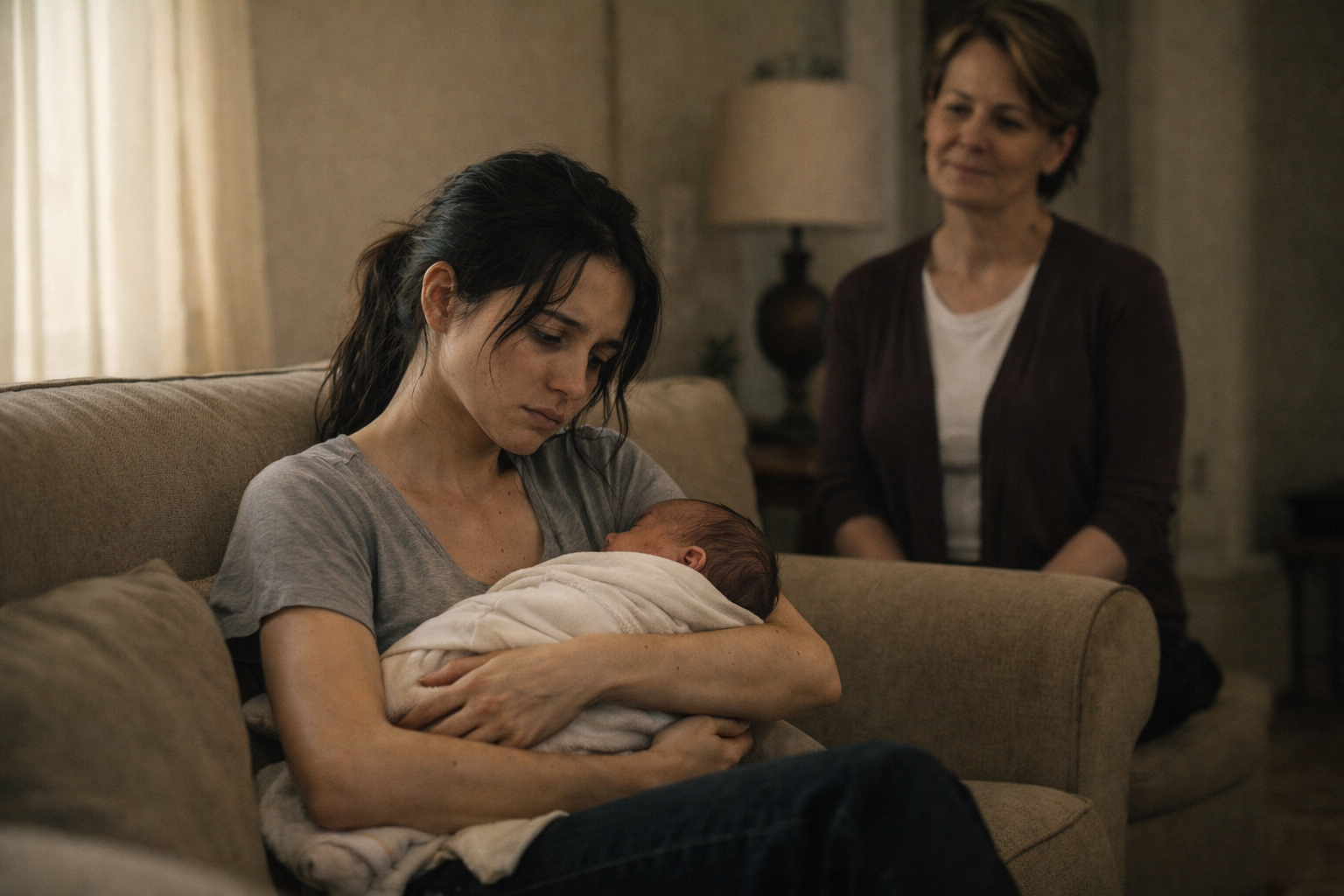
After our daughter was born, life settled into a rhythm that felt safe, if a little tiring. My wife, Emily, stayed home to recover, and I went back to work sooner than I wanted to because the bills didn’t pause just because we had a baby. My mother moved in to help, which seemed like the most practical solution. She had raised three children and always carried herself with quiet confidence, so I trusted her completely.
Every month, I transferred money to her account—enough to cover groceries, supplements, and anything Emily might need. I didn’t question it, because it felt like the responsible thing to do. When I came home in the evenings, everything looked fine on the surface. The house was clean, the baby was bathed and sleeping, and my mother would give me a short report about the day. Emily always smiled when I walked in, a little tired but otherwise normal.
The first time something felt off, it was small enough that I almost ignored it. One night, I came home late and found Emily already in bed, lying very still with her back turned toward me. It wasn’t unusual for her to sleep early, but there was something about the way she didn’t move at all, like she was pretending. I stood there for a moment, watching, before turning off the light. I told myself she was just exhausted.
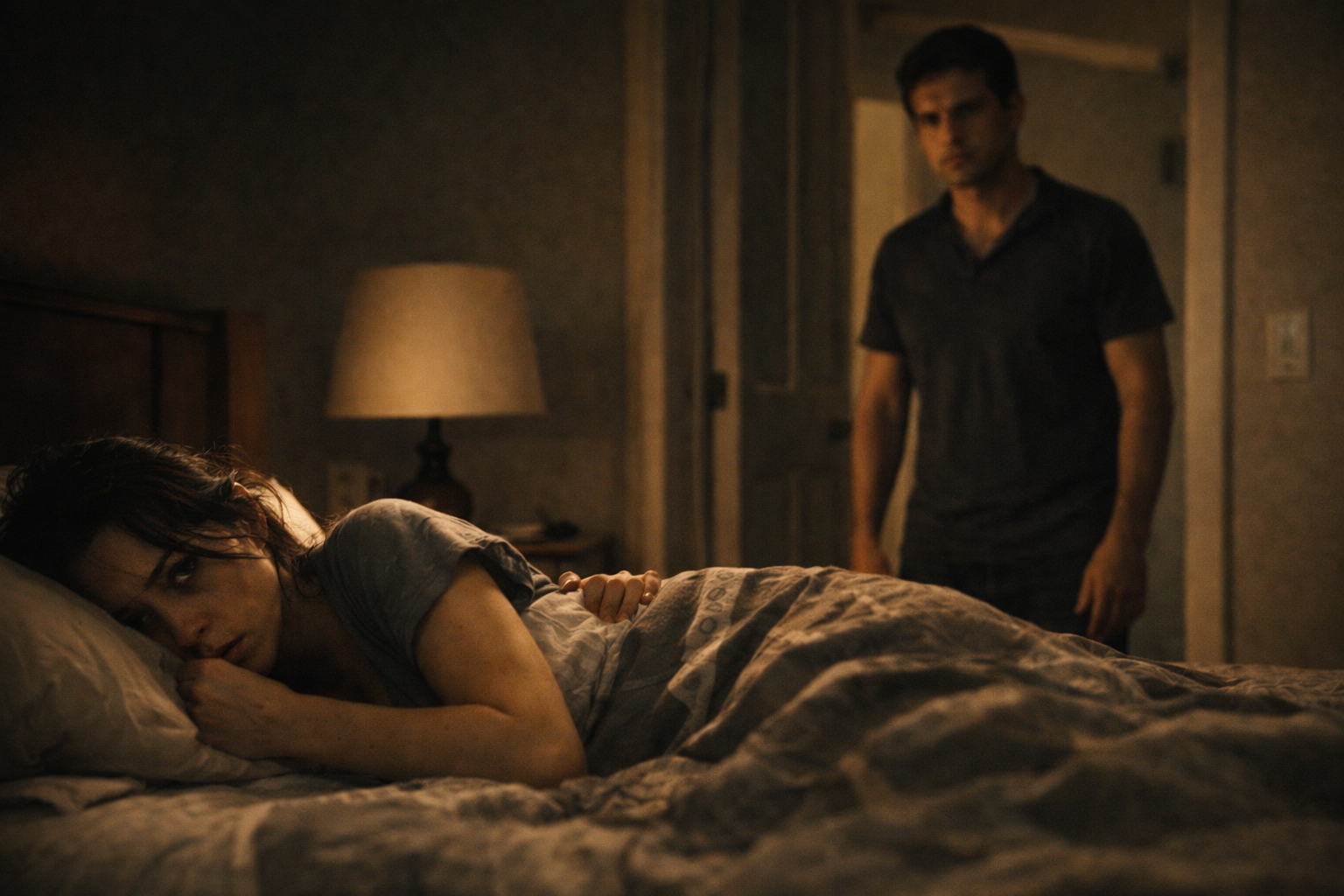
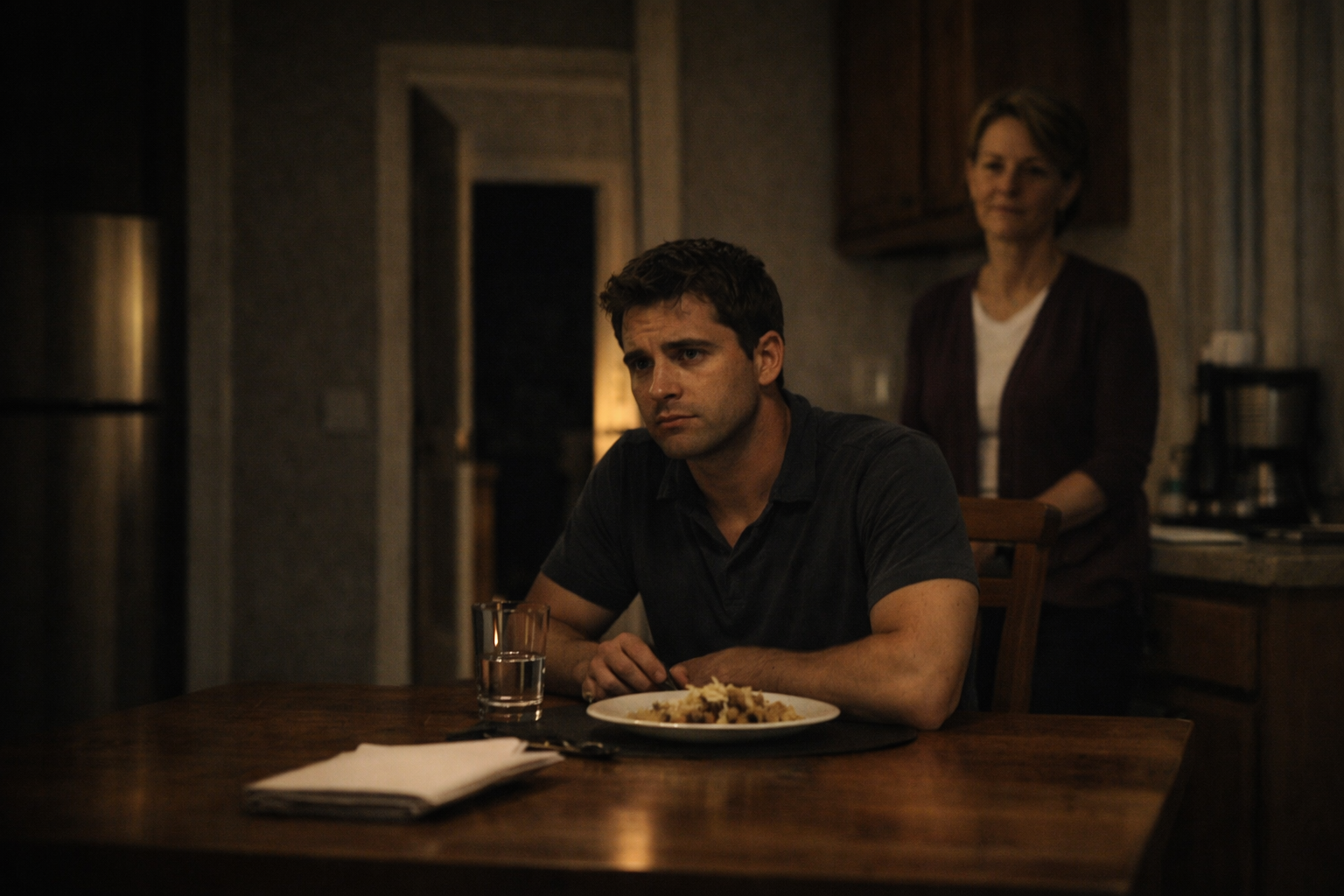
Over the next week, I began to notice things I couldn’t quite explain. Emily stopped coming to the table when I ate dinner. My mother would say she had already eaten earlier because the baby had kept her busy. Sometimes I brought food to the bedroom, but Emily would insist she wasn’t hungry, always avoiding eye contact. Once, when I sat beside her, she flinched slightly, so quickly that I almost convinced myself I had imagined it.
I told myself it was normal. Postpartum recovery can be unpredictable, and I had read that hormones and lack of sleep could change a person’s behavior. That explanation felt reasonable, and I held onto it because it was easier than questioning anything else.
Still, a pattern began to form. Emily lost weight faster than expected, and although my mother said some women simply bounce back quickly, I could see the sharpness in Emily’s face that hadn’t been there before. She started keeping the bedroom door closed during the day, and when I knocked, there was always a brief pause before she answered. Even the baby cried more when my mother held her than when Emily did, which didn’t make sense to me at all.
I kept telling myself I was overthinking, that I was just tired and looking for problems where there weren’t any. But then something else happened that I couldn’t ignore as easily.
One afternoon, I stopped by a pharmacy during my lunch break, and the pharmacist casually asked how Emily was doing and whether she was taking the supplements they had recommended. I answered yes without thinking, but on my way home, I realized I hadn’t actually seen any of those supplements. When I checked the kitchen cabinet that evening, there was nothing there. No vitamins, no protein powders, nothing I had been paying for.
When I asked my mother about it, she answered quickly, almost too quickly, saying Emily didn’t like them and that they made her nauseous. I nodded, even though something about her tone felt rehearsed. Emily stood nearby, silent, her hands folded tightly together.
A few days later, the baby’s pediatrician made a comment that stayed with me. He said our daughter was slightly underweight and gently asked whether Emily was eating enough, since breastfeeding required more calories. I glanced at Emily, but she only looked down. My mother answered for her again, saying Emily had become picky and they were working on it. The doctor nodded, but there was hesitation in his expression that I couldn’t ignore.
On the drive home, the silence in the car felt heavier than usual. I tried to convince myself it was just a phase, something temporary that would pass on its own, but the feeling didn’t go away.
The day everything shifted started with something ordinary. There was a power outage at work, and we were allowed to leave early. I remember feeling almost grateful, thinking it would be a good chance to surprise Emily. On the way home, I stopped at a grocery store and bought a box of imported milk that the doctor had recommended for her recovery. It was expensive, but I didn’t hesitate because I imagined the small smile it would bring to her face.
When I arrived home, the front door was slightly open, and the house was unnaturally quiet. I stepped inside, placed the milk on the table, and walked toward the kitchen. That was when I saw her.
Emily was sitting in the corner, hunched over a bowl, eating quickly and quietly, as if she didn’t want to be seen. Every few seconds, she glanced toward the door, and when she noticed me, she froze. The spoon slipped from her hand, and her face went pale.

I walked closer without saying anything and looked into the bowl. Inside was spoiled rice mixed with dry fish bones, the kind of scraps we would normally throw away. For a moment, my mind refused to process what I was seeing, because it didn’t match anything I believed to be true.
“What are you doing?” I asked, my voice lower than I expected.
Emily hesitated before whispering that she had already eaten and that this was just leftovers. I stared at the bowl again, noticing the sour smell, and nothing about it made sense.
Behind me, I heard my mother’s footsteps. She stopped in the doorway and, after a brief pause, let out a light laugh. She said Emily insisted on eating traditional foods and claimed it helped with recovery. I turned to look at her, and something about her expression felt controlled rather than concerned.
I wanted to believe her, so I nodded slowly, even though the explanation didn’t sit right with me. That night, I told myself it was probably just a cultural preference, a difference in habits that I didn’t fully understand. It was easier to accept that than to question my own mother.
But I couldn’t sleep.
Every time I closed my eyes, I saw the way Emily had been eating, not like someone enjoying a meal but like someone who was afraid it might be taken away.
The next morning, I woke up earlier than usual and walked into the kitchen. When I opened the refrigerator, I found it full of fresh food—meat, vegetables, milk—everything I had been paying for. Everything Emily should have been eating.
I stood there, trying to understand, when I heard a soft sound behind me. Emily was standing in the hallway, holding the baby. She looked at the open refrigerator, then at me, and for a moment neither of us spoke.
Then, very quietly, she said that she wasn’t allowed to eat those.
The words settled heavily in the air. I looked past her toward the living room where my mother usually sat, and in that moment, everything rearranged itself in my mind. The closed doors, the weight loss, the silence—it all fit together in a way I had been refusing to see.
I asked her why, but she hesitated and glanced toward the living room before shaking her head and saying it was okay, that it was only temporary.
That was when I understood that this was not about food.
It was about control.
That afternoon, I took Emily and the baby out of the house without explaining much. I told my mother we were going to the doctor, and she didn’t question it. But instead of turning toward the clinic, I drove straight to the police station.
 As I parked the car, Emily looked at me, confused and anxious. I reached for her hand and held it firmly.
“It’s not temporary,” I said quietly.
“And it’s not okay.”
Then I stepped out of the car and walked toward the entrance, already knowing I wasn’t going back to that house the same way again.