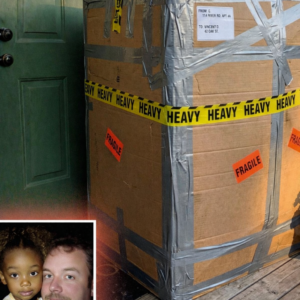

I’m 74, living in a nursing home my own grandson dumped me in after tricking me into selling my house for his “girlfriend’s surgery.” When I suddenly inherited a fortune years later and he came crawling back for “his share,” I handed him $50 and a message written across the bills that forced him to choose: a year working as a low-paid caregiver… or lose every penny forever.
My name is Gloria. I’m 74 years old, widowed for more than 20 years, and I never thought I would be telling this story about my own grandson. I raised Todd from the time he was 12, after his mother died bringing him into the world and his father disappeared into casinos and cheap motels.
I worked nights at a laundromat and cleaned offices on weekends so there would always be food, school clothes, and a warm bed waiting for him.
“Todd’s my second chance at family,” I told my friend. “He’s my everything.”
Todd’s mother, my daughter Elaine, never got to hold him. She never even opened her eyes after the doctors pulled him out. His father, Wayne, showed up to the funeral late, reeking of smoke and bad liquor, asking more about insurance money than about his own son.
After that, he drifted away. So when Todd’s behavior got wilder at twelve, when the school called about fights and stolen phones, the judge looked at me and asked if I would take him home and raise him properly.
I said yes without even thinking.
I moved Todd into my late husband’s house and tried to give him a steady life. I cooked real dinners, checked his homework, stayed up when he missed curfew. I went to every meeting, every game—even when he only rode the bench.
I told myself love had to count for something.
But somewhere between his 18th birthday and mine, Todd slipped out of my hands.
He moved in with friends, then girlfriends, then people I never met. Text messages replaced visits. He showed up every few years, briefly—just long enough to take what I gave and leave again.
I kept knitting gifts. Kept waiting. Kept telling myself he still cared.
Then one gray afternoon, the bell rang—and there he was.
Older. Thinner. Nervous.
A woman waited in the car outside.
“Grandma,” he said, “I need your help. Natasha needs an operation. I’ve run out of money.”
I wanted to believe him so badly that I let go of common sense.
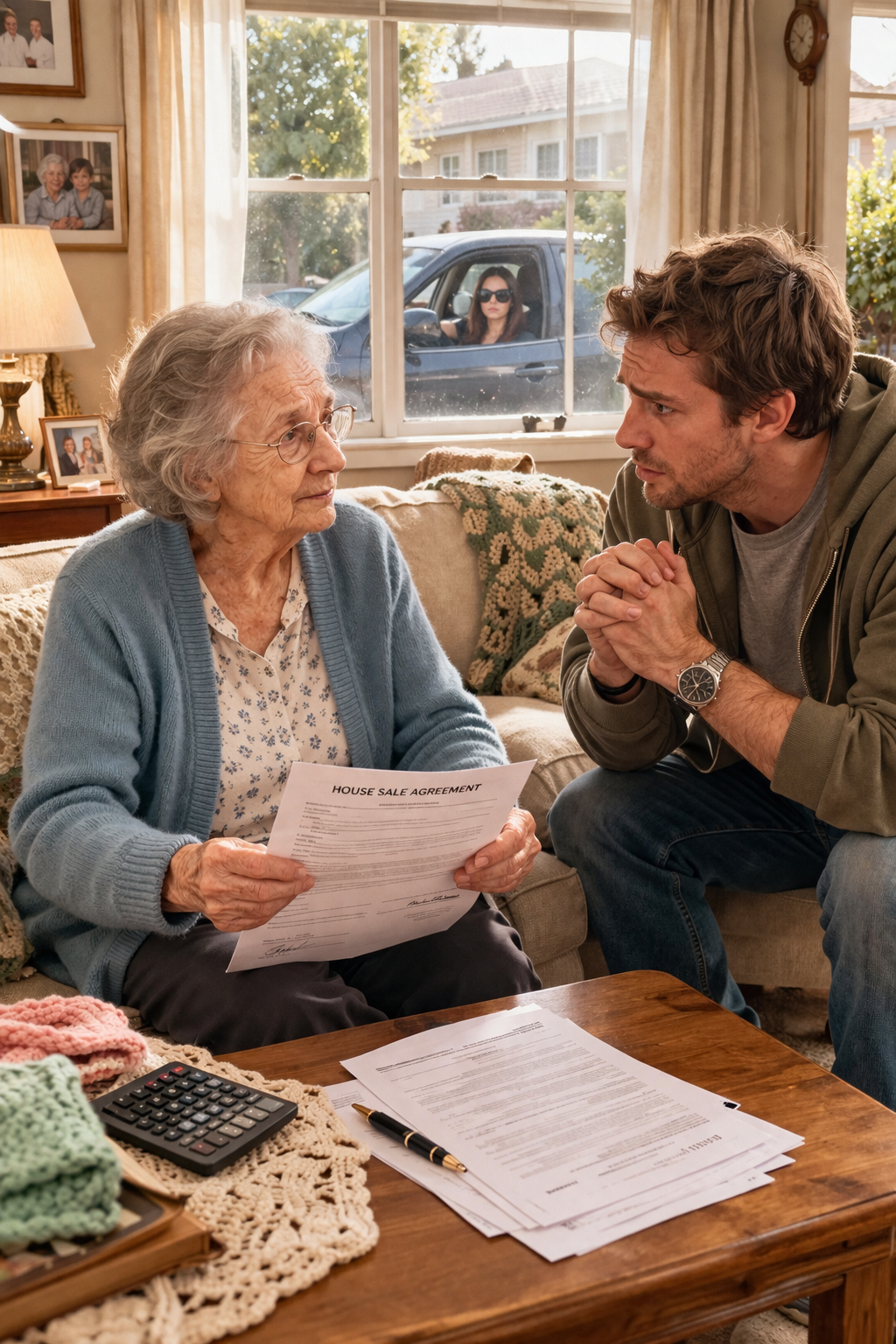
My savings were modest, but the house was worth real money.
I sold it.
I thought I would move in with them. That we would finally be a family again.
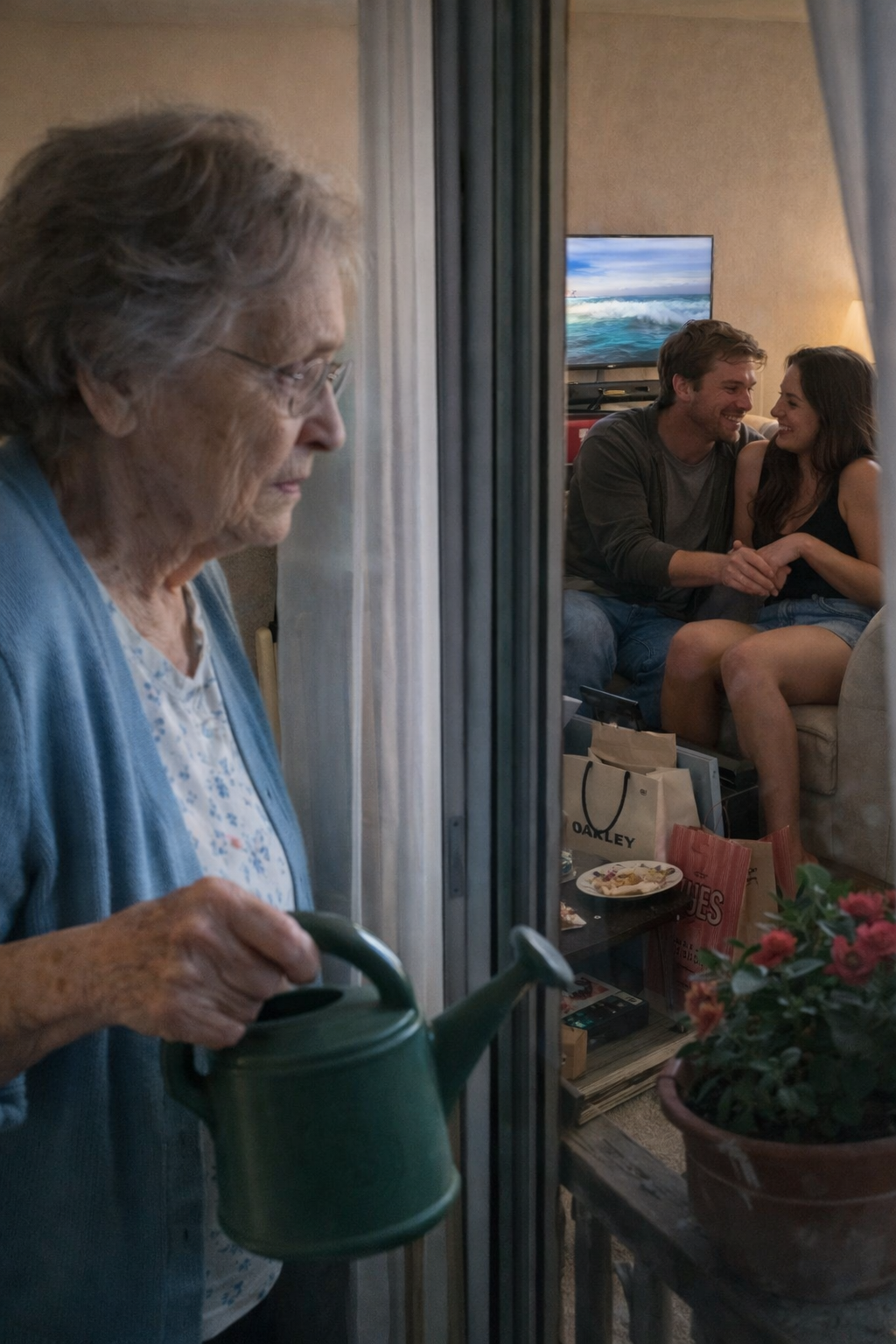
Their apartment was small and cluttered, but I cleaned, cooked, made myself useful. Natasha watched me with polite smiles and cold eyes.
Three weeks later, the truth came out.
No hospital. No treatment. No illness.
Just new clothes, a bigger TV, and travel brochures.
One afternoon, I overheard them.
“I can’t wait to be rid of her,” Natasha said. “She’s such a burden.”
Todd replied, “Relax. Once she’s gone, we can finally enjoy ourselves. Hawaii, remember?”
They laughed.
That was the moment something inside me broke.
A week later, they took me on a drive.
A nursing home.
My new address.
Todd kissed my forehead and said he’d visit every week.
He didn’t.
Weeks became months. Months became years.
The nursing home wasn’t terrible. It was clean. The staff was kind. I made peace with a smaller life.
Then one morning, everything changed.
I received a letter.
My cousin Donovan had died—and left me a sizable inheritance.
I knew immediately:
Todd would come back.
And he did.
Two weeks later, he showed up in the lobby, smiling, hopeful, already calculating.
“Grandma, I heard about the inheritance,” he said. “Natasha needs another operation. Could I get my share early?”
This time, I saw the truth clearly.
No shame. No fear. Just greed.
I told him to come back in a week.
After he left, I met with a lawyer.
We rewrote my will.
Todd would only receive the inheritance if he worked one full year at the nursing home—caring for residents.
If he refused, the home would receive everything.
Then I asked for $50 in small bills.
I wrote a message across them.
A week later, Todd returned.
I handed him the envelope.
He tore it open.
“$50?” he snapped. “Where’s the rest?”
Then he saw the writing.
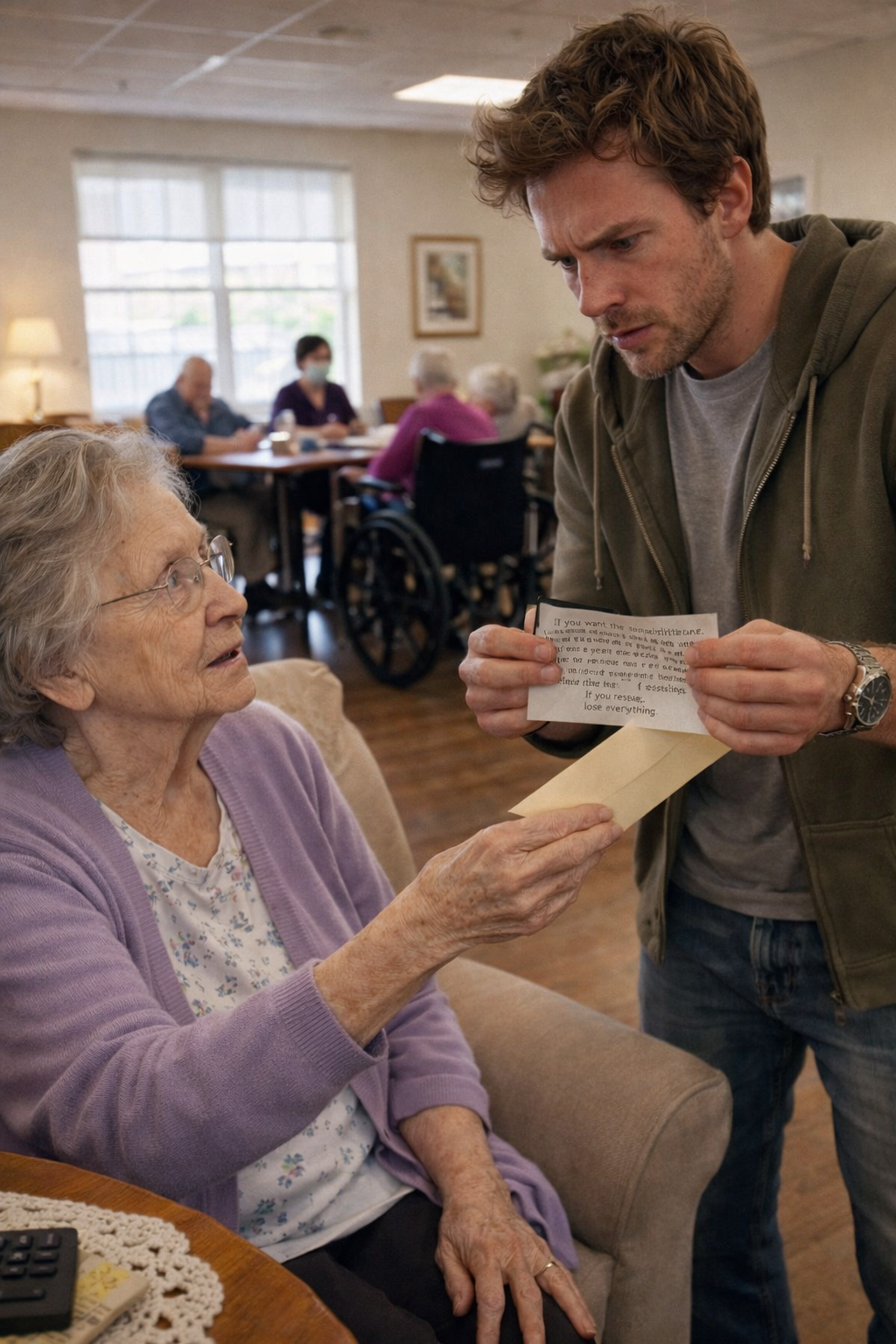
He read it out loud:
“You have forgotten how to care for anyone but yourself. If you want the inheritance, you must work here for one full year—feed the residents, clean their rooms, listen to their stories. If you refuse, you lose everything.”
He stared at me.
“You expect me to do this?” he said. “This is twisted.”
“It’s your choice,” I replied.
He stormed out.
I thought I’d lost him for good.
But two days later, he came back.
“Fine,” he said. “One year.”
He started working as an aide.
At first, he hated it.
But slowly… something changed.
He laughed with residents. Stayed late to help. Listened.
And for the first time in years, he visited me without asking for anything.
By the end of the year, he wasn’t the same man.
When the lawyer arrived with the final papers, Todd looked at me and said:
“I want to do this right, Grandma.”
For once…
I believed him.
Source: barabola.com